Trk Receptor
Tropomyosin related kinase receptor
Trk receptors are a family of three receptor tyrosine kinases (TrkA, TrkB, and TrkC), each of which can be activated by one or more of four neurotrophins-nerve growth factor (NGF), brain-derived neurotrophic factor (BDNF), and neurotrophins 3 and 4 (NT3 and NT4).
TrkA, TrkB, and TrkC are transmembrane proteins that comprise the TRK receptor family. These receptor tyrosine kinases are expressed in human neuronal tissue, and play an essential role in both the physiology of development and function of the nervous system through activation by neurotrophins (NTs). The latter are specific ligands known as NGF for TrkA, BDGF, and NT-4/5 for TrkB and NT3 for TrkC, respectively.
The binding of the ligand to the receptor triggers the oligomerisation of the receptors and phosphorylation of specific tyrosine residues in the intracytoplasmic kinase domain. This event results into the activation of signal transduction pathways leading to proliferation, differentiation and survival in normal and neoplastic neuronal cells.
Trk Receptor Isoform Specific Products
All Product Categories
-
Trk Receptor Inhibitors
(148)
View all products
-
Trk Receptor Agonists
(13)
View all products
-
Trk Receptor Antagonists
(4)
View all products
-
Trk Receptor Activators
(24)
View all products
-
Trk Receptor Modulators
(4)
View all products
-
Trk Receptor Degraders
(5)
View all products
-
Trk Receptor Controls
(4)
View all products
-
Trk Receptor Ligands
(2)
View all products
-
Trk Receptor Related Products (220)
Related Products (220)

-
Antibodies (9)
-
Trk Receptor Isoform Comparison
-
Lestaurtinib
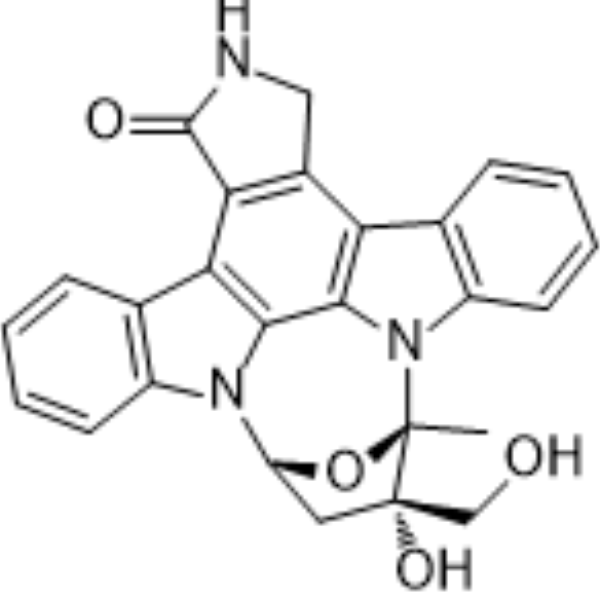 0 ImagesSynonyms: CEP-701; KT-5555Lestaurtinib (CEP-701) is an orally active and selective RPTKs (receptor protein tyrosine kinase) inhibitor, competitively inhibits ATP binding to the TrkA/B/C domain. Lestaurtinib inhibits RPTKs phosphorylation, with IC50s of 2, 25 and 0.9 nM for FLT3, TrkA and JAK2, respectively. Lestaurtinib induces apoptosis and cycle arrest, also can inhibit growth of tumor.
-
Altiratinib
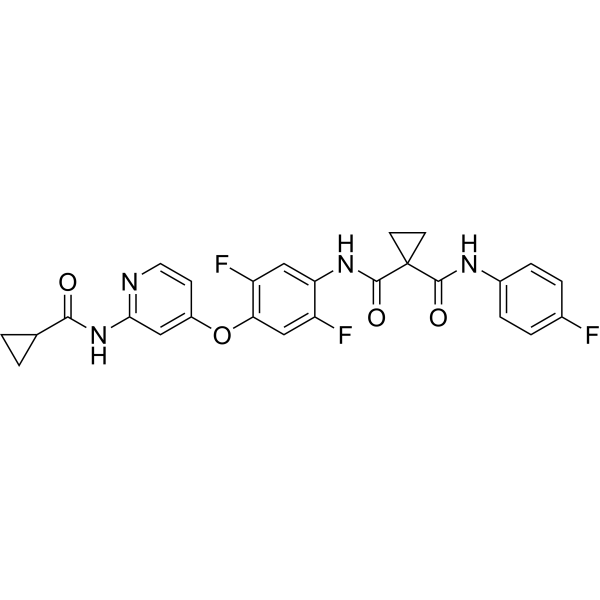 0 ImagesSynonyms: DCC-2701
-
Bedinvetmab
 0 ImagesSynonyms: ZTS-00508841Bedinvetmab (ZTS-00508841) is a canine monoclonal antibody (mAb) targeting nerve growth factor (NGF). Bedinvetmab inhibits NGF interaction with tropomyosin receptor kinase A (trkA) and p75 neurotrophin receptor (p75NTR) receptors. Bedinvetmab can be used for the research of osteoarthritis pain in dogs.
-
Larotrectinib sulfate
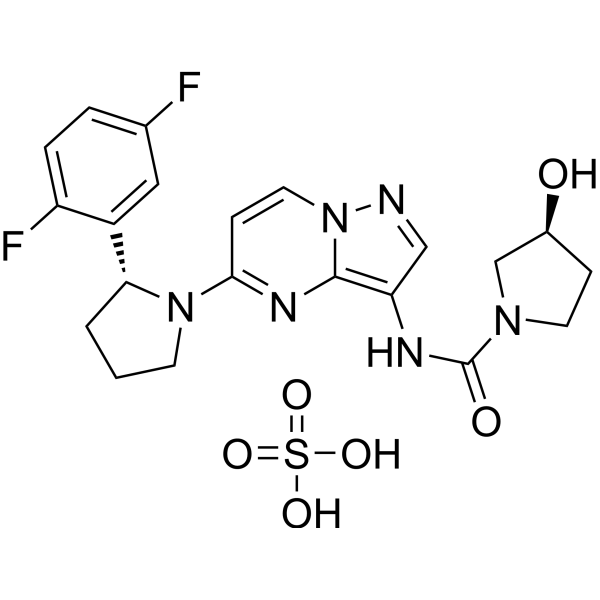 0 ImagesSynonyms: LOXO-101 sulfate; ARRY-470 sulfate
-
Tamnorzatinib
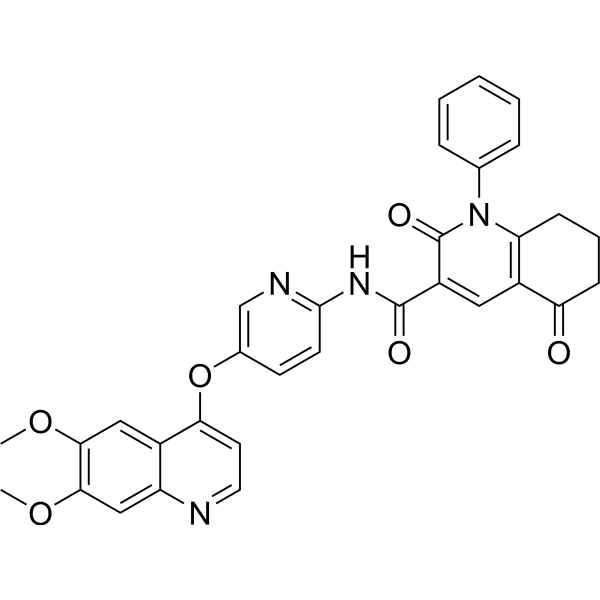 0 ImagesSynonyms: ONO-7475Tamnorzatinib (ONO-7475) is a potent, selective, and orally active Axl/Mer inhibitor with IC50 values of 0.7 nM and 1.0 nM, respectively. Tamnorzatinib sensitizes AXL-overexpressing EGFR-mutant NSCLC cells to the EGFR-TKIs, suppresses the emergence and maintenance of tolerant cells. Tamnorzatinib combines with Osimertinib (HY-15772) provides a bright promise for the study of EGFR-mutated non-small cell lung cancer (NSCLC).
-
Gambogic amide
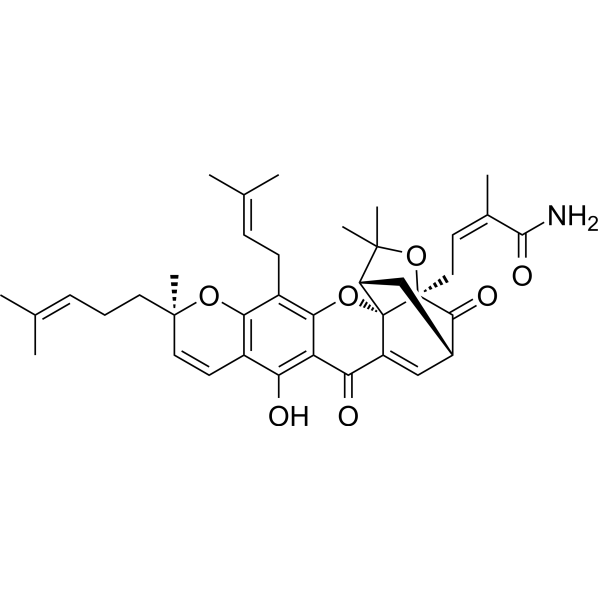 0 ImagesCat. No.: HY-121833CAS No.: 286935-60-2Gambogic amide is a potent and selective agonist of TrkA and also induces its tyrosine phosphorylation and activation of downstream signaling, including Akt and MAPK. Gambogic amide specifically interacts with the cytoplasmic juxtamembrane domain of the TrkA receptor and triggers its dimerization, leading to activation. Gambogic amide has neuroprotective activity preventing glutamate-induced neuronal cell death. Gambogic amide has improved efficacy in a transient middle cerebral artery occlusion model of stroke and could be used to study neurodegenerative diseases and stroke.
-
Ganglioside GM1
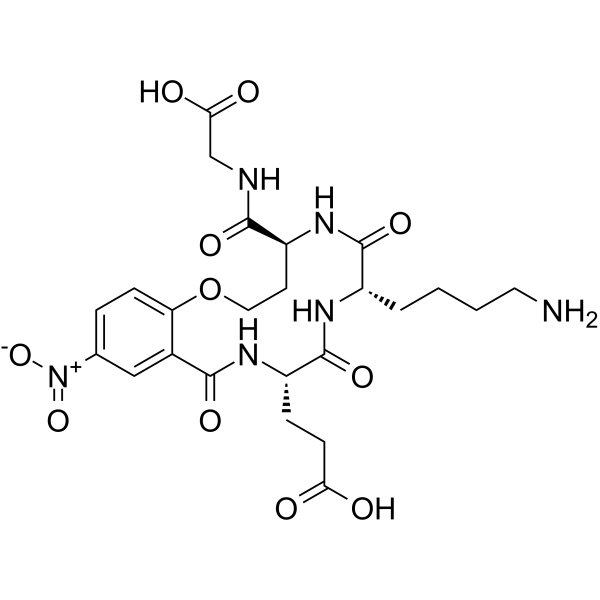
 0 ImagesGanglioside GM1 is a type of glycosphingolipid, mainly found on the cell membranes of the central nervous system of vertebrates. Ganglioside GM1 exerts neuroprotective effects by reducing excessive activation of NMDAR, activating TrkA and ERK1/2, and inhibiting oxidative stress and cell apoptosis and autophagy. Ganglioside GM1 can be used in the research of diseases such as traumatic brain injury, Parkinson's disease, Alzheimer's disease, and Huntington's disease.
-
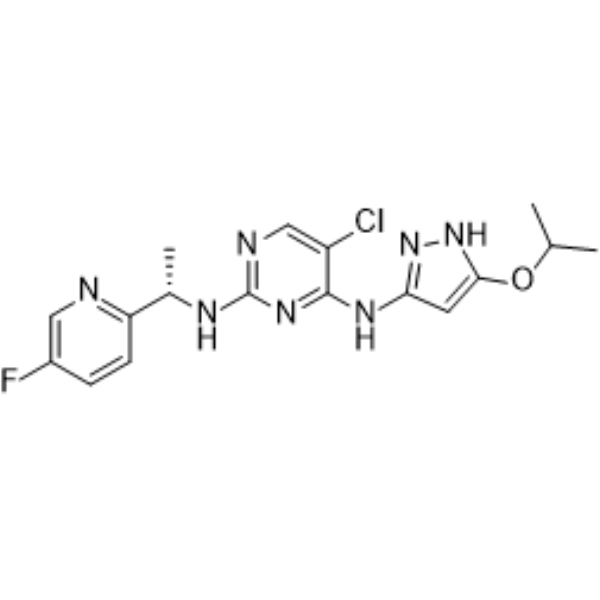
Tyrphostin AG 879
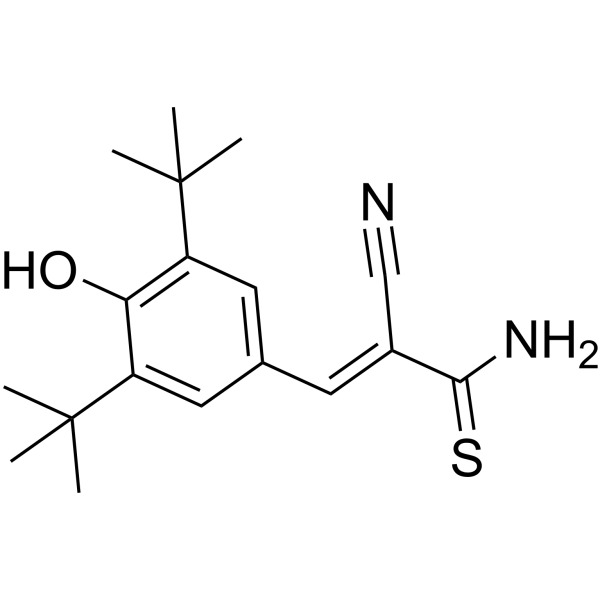 0 ImagesSynonyms: AG 879Tyrphostin AG 879 (AG 879) is a tyrosine kinase inhibitor that inhibits TrKA phosphorylation (IC50 of 10 μM), but not TrKB and TrKC. Tyrphostin AG 879 is also a selective ErbB2 tyrosine kinase inhibitor with an IC50 of 1 μM, and has at least 500-fold higher selectivity to ErbB2 than EGFR. Tyrphostin AG 879 has anticancer activity.
-
PD 90780
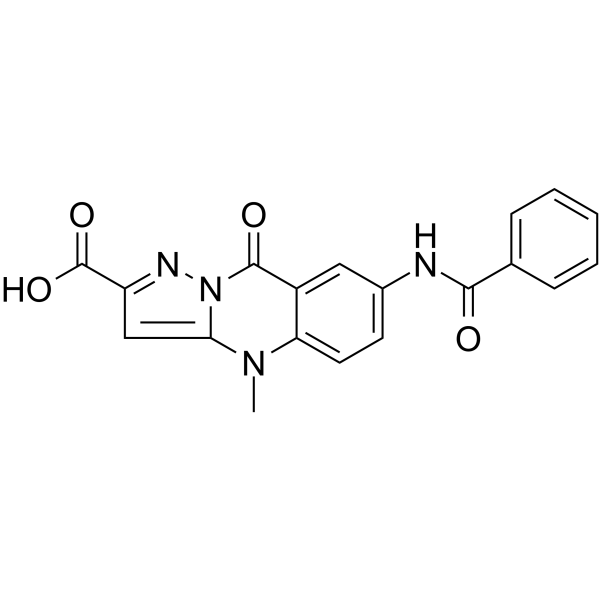 0 ImagesPD 90780 is a non peptide antagonist of nerve growth factor (NGF). PD 90780 interacts with NGF, prevents NGF binds with p75NTR. PD 90780 inhibits NGF-p75NTR interaction with IC50s of 23.1 and 1.8 μM in PC12 cells and PC12nnr5 cells, respectively .
-
HIOC
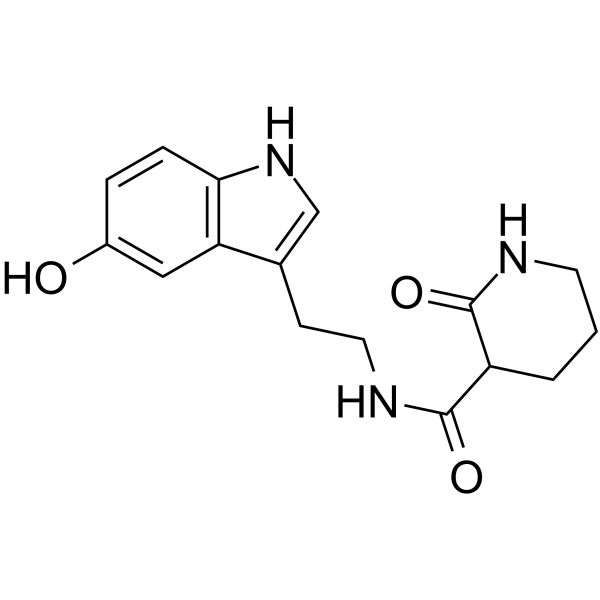 0 ImagesHIOC is a potent and selective activator of TrkB (tropomyosin related kinase B) receptor. HIOC can pass the blood-brain and blood-retinal barriers.HIOC activates TrkB/ERK pathway and decreases neuronal cell apoptosis. HIOC attenuates early brain injury after SAH (subarachnoid hemorrhage). HIOC shows protective activity in an animal model for light-induced retinal degeneration.
-
Amdiglurax
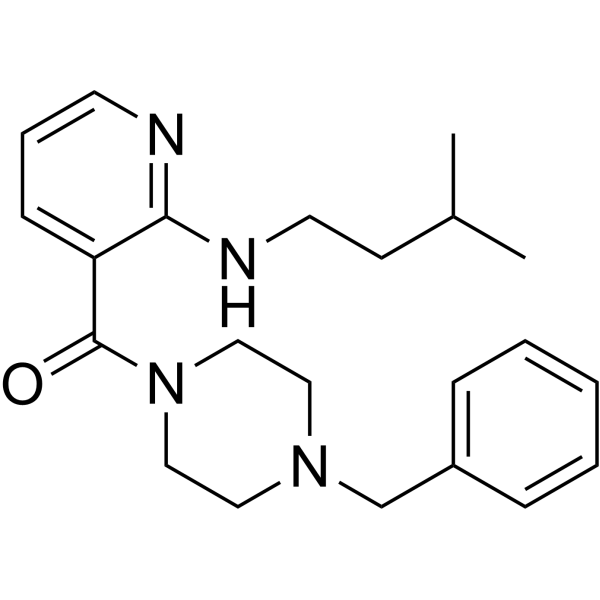 0 ImagesSynonyms: NSI-189Amdiglurax (NSI-189) is an orally active chemical entity with enhanced neurogenic activity. Amdiglurax up-regulates neurogenic factors such as BDNF (brain derived-neurotrophic factor) and SCF. Amdiglurax exhibits anti-depressant effect. Amdiglurax enhances synaptic plasticity and reduces cognitive dysfunction. Amdiglurax holds potential for psychiatric disorder research.
-
Xaliproden hydrochloride
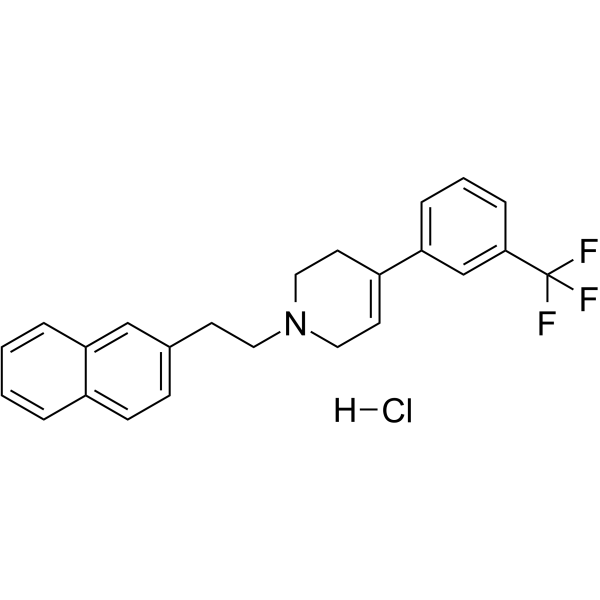 0 ImagesSynonyms: SR57746A; SR57746 hydrochlorideXaliproden (SR57746) hydrochloride (SR57746A) is an orally active, highly selective 5-HT1A receptor agonist. Xaliproden hydrochloride activates pertussis toxin-sensitive G protein-coupled signaling cascades, as well as the PKC, ERK1/ERK2, Akt and p21 Ras/MEK-1 pathways. Xaliproden hydrochloride also downregulates the JNK/p66/c-Jun signaling pathway, induces phosphorylation of the shc adaptor protein, regulates extracellular dopamine and 5-HT levels, and induces [35S]GTPγS labeling in rat brain structures rich in 5-HT1A receptors. Xaliproden hydrochloride exerts neurotrophic, neuroprotective, renoprotective, anti-inflammatory, anti-apoptotic, anti-fibrotic and analgesic effects. Xaliproden hydrochloride also enhances NGF-induced neurite outgrowth, promotes motor neuron survival, attenuates renal tubular injury and inhibits chemotherapy-induced mechanical allodynia, without activating or altering NGF-induced TrkA receptor activation. Xaliproden hydrochloride can be used in the research of motor neuron disease, diabetic nephropathy, chemotherapy-induced peripheral neuropathy, amyotrophic lateral sclerosis, Alzheimer's disease, acute tonic nociceptive pain, inflammatory pain, depression and anxiety.
-
Izenivetmab
 0 ImagesCat. No.: HY-P99677CAS No.: 2447755-72-6Synonyms: ZTS-00075623Izenivetmab (ZTS-00075623) is an anti-NGFB IgG2κ monoclonal antibody. Izenivetmab shows anti-inflammatory and analgesic effects by targeting anti-nerve growth factor (NGF). Izenivetmab can be used for the research of osteoarthritis.
-
PF-06273340
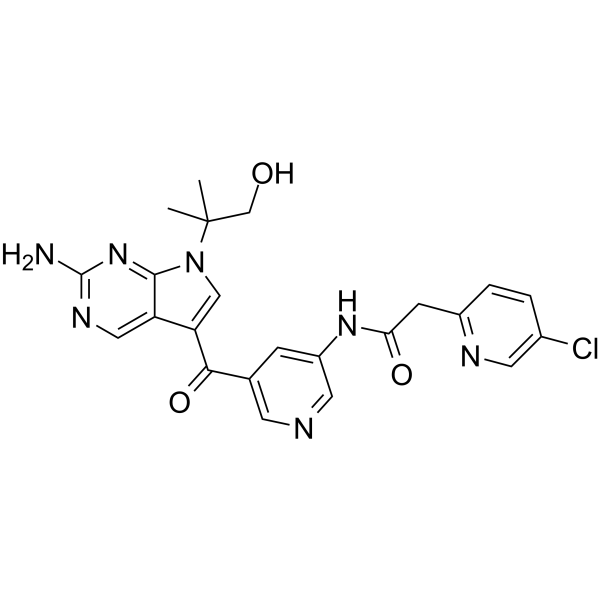 0 ImagesPF-06273340 is a peripherally restricted pan-Trk inhibitor with IC50 values of 6, 4, 3 nM for TrkA, TrkB, and TrkC receptors. PF-06273340 binds in a DFG-out conformation, targeting less conserved kinase ligand binding domain regions outside the ATP binding pocket. PF-06273340 exhibits anti-hyperalgesic and analgesic effects. PF-06273340 can be used for the research of pain.